In the early twentieth century, B.C. Sugar, western Canada’s most powerful sugar corporation, operated cane plantations in colonial Fiji. Indentured people from India worked the cane fields for five years and more under conditions of violence, illness, and starvation. Drawing on archives in Canada and Fiji, this book asks why a Vancouver company went to Fiji, what its plantations did to the people who worked them, how those people responded, and why so many Canadians remain unaware of their sugar’s colonial origins.
Harvested sugarcane. Photo by Victoria Priessnitz.Sugarcane plumes. Photo by Henry Lim.
Purchasing Power
Women and the Rise of Canadian Consumer Culture
University of Toronto Press, March 2020 · 304 pp · Studies in Gender and History series · DOI: 10.3138/9781442625860
What Canadians bought, and refused to buy, was a form of political action. Across the twentieth century, manufacturers, retailers, and governments set the prices and terms on which women provisioned their households. Drawing on the records of organizations including the National Council of Women, the Women’s Institutes, and the Fédération nationale Saint-Jean-Baptiste, Purchasing Power shows how settler women answered by organizing as consumers, and used their purchasing power for public advocacy, artistic expression, and economic change.
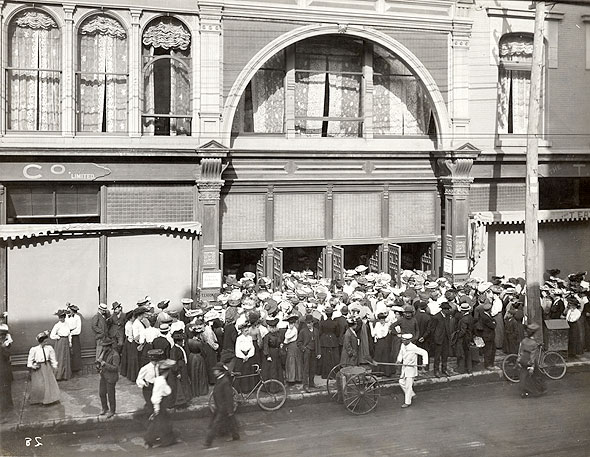
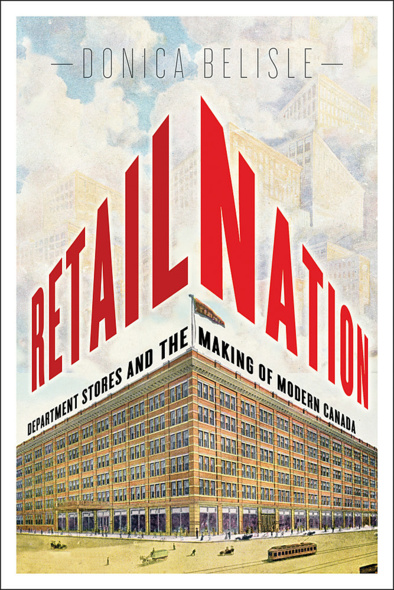
Canada’s department stores did more than sell goods. Between 1890 and 1940, Eaton’s, Simpson’s, and the Hudson’s Bay Company sold a vision of what Canada was and should be. Retail Nation examines these institutions as sites of spectacle and desire for shoppers, as workplaces for tens of thousands of Canadians, and as agents of a specific Canadian identity.
Pierre Savard Award, International Council for Canadian Studies Best Book in Canadian Studies, Canadian Studies Network Honourable Mention, Sir John A. Macdonald Prize, Canadian Historical Association Shortlisted, John W. Dafoe Book Prize
“Retail Nation constitutes an important contribution … It describes the rise, flourishing and decline of three Canadian department stores … which eventually became icons of English Canadian nationhood. … While the author acknowledges the role nostalgia has played in our image of department stores, she does not lose sight of the social and other costs such chains have exacted. … Belisle explores fully and intelligently the unequal relations of class, race and gender they embodied … The book is written with verve, a secure knowledge of the relevant literature and much careful research, and sets a historiographic benchmark for the study of Canadian consumer society.”
— Canadian Historical Association
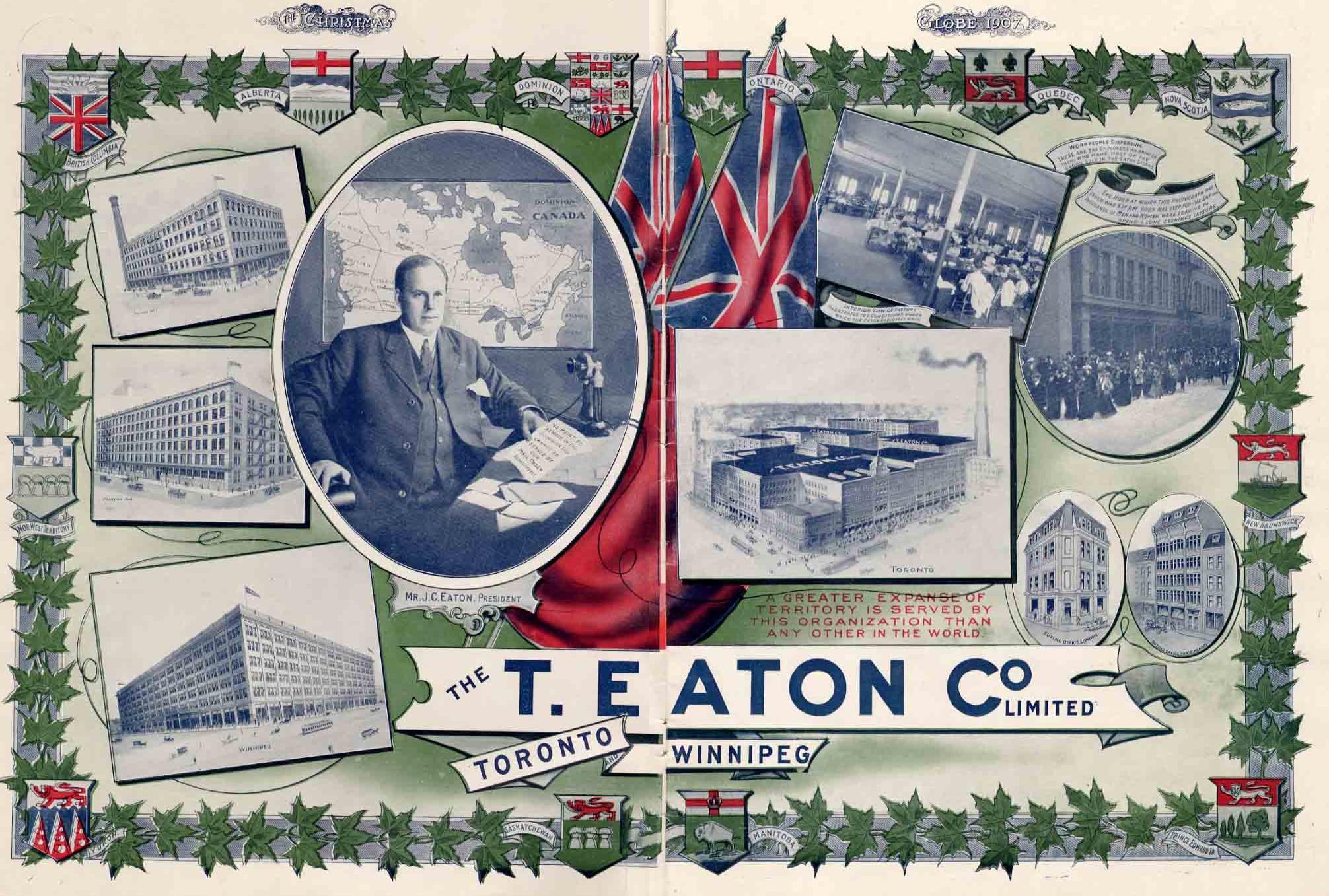
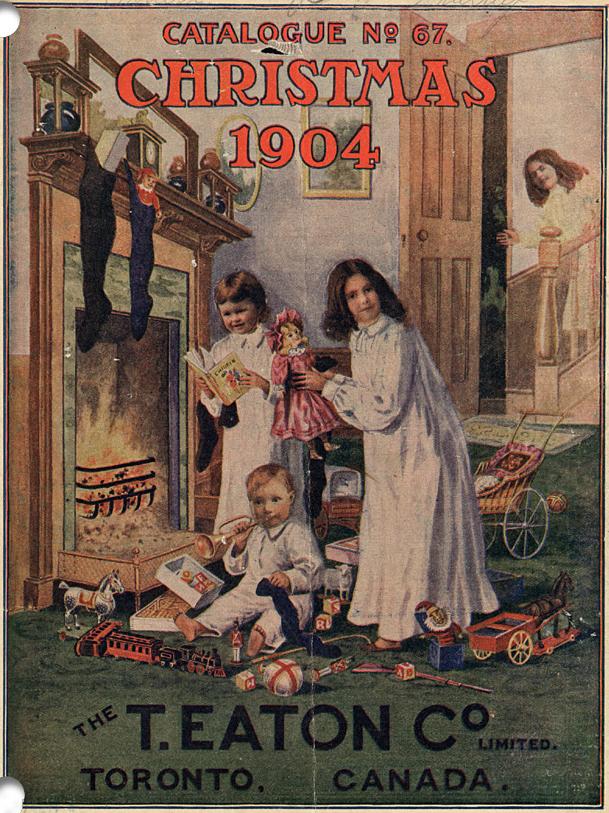
Newspaper advertisement for T. Eaton Co., Christmas edition. The Globe (Globe Printing Co.), December 25, 1907. Library and Archives Canada. Public domain.T. Eaton Co. Christmas Catalogue No. 67, 1904. Unknown, 1904. Archives of Ontario, F 229-231-0-4. Public domain.